1. Introduction: AI Moves from “Instruction” to “Execution”
Until now, we could give AI instructions like “write code” or “summarize information,” but the execution steps like “complete the reservation on this website” or “enter data in this form” ultimately had to be done by humans. The barrier of browser operation, which serves as the interface between AI and the real world, was preventing complete automation by AI.
However, the AI agent “Operator” announced by OpenAI will change this situation. Operator is a feature that allows AI to automatically execute tasks on the web from the ChatGPT screen, symbolizing the dawn of the agent era where AI takes on “execution” as well [^1].
This article thoroughly explains the basic functions of OpenAI Operator, decisive differences from traditional automation tools (RPA), specific scenarios that will revolutionize business, and security and ethics considerations when introducing it, from the perspective of an AI agent development expert.
2. What is OpenAI Operator?: When ChatGPT Gets “Hands”
The core of OpenAI Operator lies in the “Computer-Using Agent (CUA)” model developed by the company. CUA has the ability to “see (visual capability)” and “operate (mouse and keyboard actions)” web pages just like humans operate browsers [^2].
How the CUA Model Works
CUA achieves the following actions by combining GPT-4o’s advanced reasoning capabilities with visual capabilities:
- Visual Recognition: Analyzes web page screenshots to recognize GUI elements such as buttons, input forms, and links.
- Reasoning and Planning: Based on the user’s natural language instructions, plans operation procedures (clicks, inputs, scrolls, etc.) to achieve the objective.
- Execution: Reproduces mouse and keyboard operations on the browser based on the plan.
With this mechanism, Operator can automatically execute tasks while traversing any websites and services that humans can access, without requiring specific API integrations.
Decisive Differences from Traditional AI
| Feature | Traditional Chat AI (ChatGPT) | OpenAI Operator (CUA) |
|---|---|---|
| Capability | Information generation, summarization, reasoning, code generation | Information generation + Browser operation execution |
| Interface | Text input/output only | Text input + Web browser |
| Task Scope | Limited to knowledge/information processing | Extended to practical tasks on the web (reservations, purchases, data entry) |
| Autonomy | Low (human execution required) | High (completes from instruction to execution) |
3. [Practical] 4 Daily and Business Scenes that Operator Can Automate
Operator demonstrates its true value particularly in tasks that span multiple websites or involve complex judgments.
Case 1: Completing Complex Travel/Business Trip Reservations
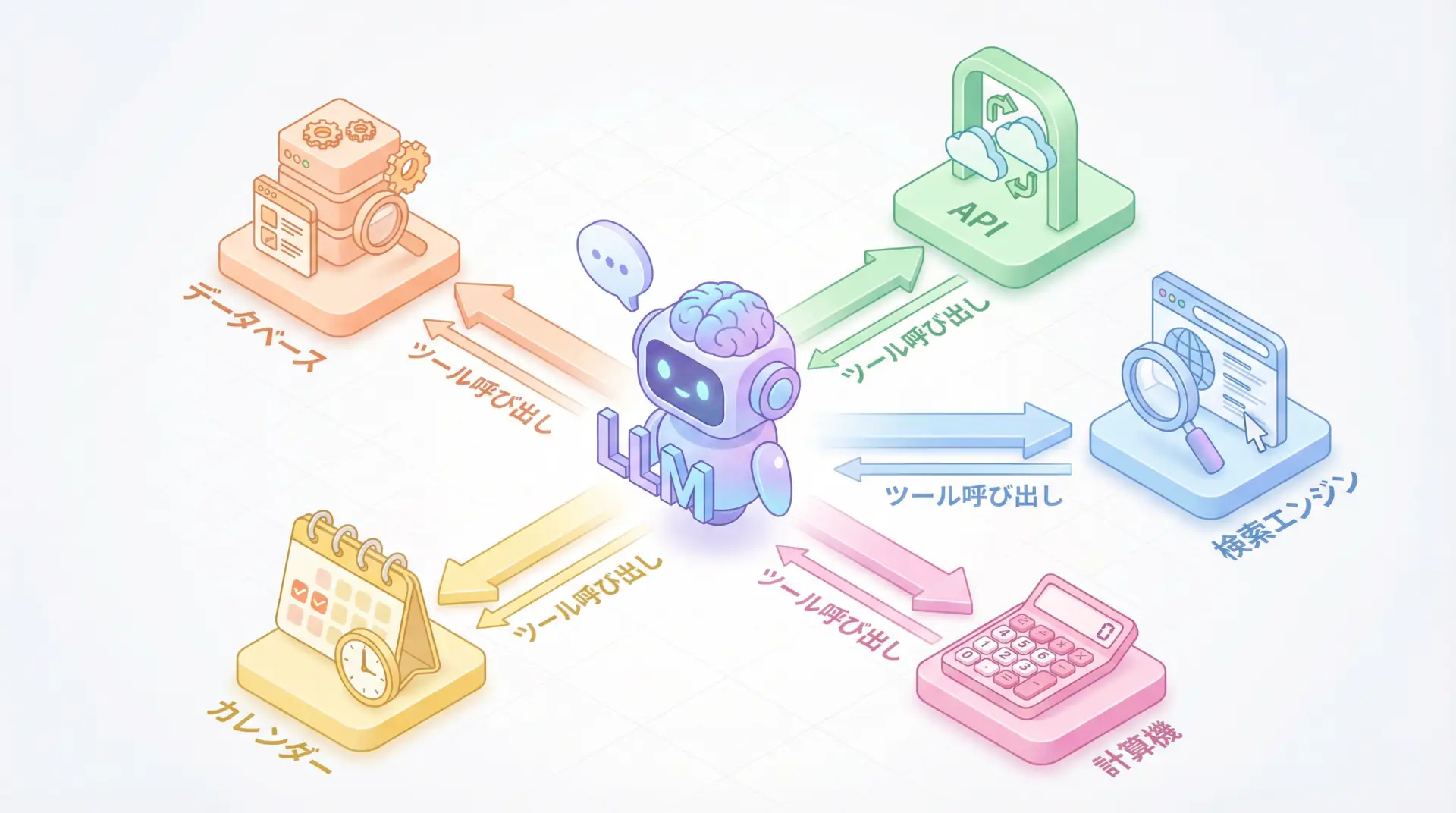
Operator can execute complex instructions like “For next month’s business trip to Osaka, compare 3 hotels within 10 minutes’ walk from Shin-Osaka Station, and book the highest-rated one within a 20,000 yen budget” while traversing multiple reservation sites and map services.
Case 2: Automating Routine Data Entry and Research
It can execute operations to tour specific industry news sites, collect the latest company information, and automatically transfer and enter that information into internal CRM or spreadsheet forms with just natural language instructions. While traditional RPA required maintenance with every UI change, Operator can respond through reasoning.
Case 3: EC Site Inventory Checking and Purchase Proxy
It can regularly check inventory status of popular products, and when inventory is confirmed, automatically proceed to the payment screen after requesting final confirmation from the user. This is the ultimate productivity improvement where AI takes over tasks that humans needed to monitor.
Case 4: Calendar Coordination and Email Sending Integration
For instructions like “Set up a meeting with Mr. Tanaka from Company A next Wednesday afternoon,” it can compare your own calendar with Mr. Tanaka’s availability (if publicly available on the web), and complete a workflow of automatically creating and sending an email proposing the optimal time.
🛠 Key Tools Used in This Article
| Tool Name | Purpose | Features | Link |
|---|---|---|---|
| ChatGPT Plus | Foundation for OpenAI Operator | Advanced reasoning capabilities and access rights to Operator (for Pro users) | View Details |
| VS Code | Development environment | Strong integration with extensions and GitHub Copilot | View Details |
| LangChain | AI agent framework | Standard library for building custom AI agents | View Details |
💡 TIP: ChatGPT Plus is the platform where you can experience OpenAI’s latest technology earliest. Cutting-edge features like Operator tend to be provided to Pro users first.
4. Differences from RPA (Robotic Process Automation)
The emergence of Operator will have a significant impact on the existing automation market, particularly RPA. Understanding the differences between the two is essential for establishing appropriate automation strategies.
| Comparison Item | RPA (Traditional Automation) | OpenAI Operator (CUA) |
|---|---|---|
| Operating Principle | Predefined rules and coordinate-based operations | Operations based on AI reasoning and visual recognition |
| Flexibility | Low. Extremely vulnerable to UI changes (“breaks” easily) | High. Flexibly responds to UI changes and unexpected errors |
| Setup Method | Programming with dedicated tools (flowchart creation) | Instructions in natural language |
| Application Range | Routine tasks, repetitive work | Non-routine tasks, work involving complex judgments |
| Cost Structure | License fees (often expensive) | Subscription or API pay-as-you-go |
Author’s Personal Opinion: Traditional RPA was like a “digital macro,” but Operator is closer to a “digital new employee.” RPA is optimal for “absolutely unchanging tasks,” but Operator is a game-changer for automating “frequently changing tasks requiring human judgment.”
5. Security and Ethics When “Delegating to AI Agents” (E-E-A-T)
When introducing highly autonomous agents like Operator, the most important aspects are trustworthiness and ethics.
Final Confirmation Workflow Design
Operator requests user intervention when performing sensitive operations like login or payment. This is a safety measure designed to prevent AI from having excessive autonomy.
Expert Lesson: When introducing Operator into business operations, you should always design a workflow where humans perform “final confirmation”. For example, in purchase proxy scenarios, Operator would add items to the cart, but the human would click the payment button. This allows you to enjoy AI convenience while minimizing risks from operational errors.
From the E-E-A-T Perspective
Utilization of AI agents allows experts like the author to concentrate their experience and expertise on higher-level tasks. By having Operator handle routine web operations, we can spend our time on more strategic decision-making and creative problem-solving.
Frequently Asked Questions
Q1: When will OpenAI Operator be available in Japan?
Currently it’s a preview version for Pro users in the United States, but it is scheduled to be rolled out to all users sequentially based on feedback. Official announcements should be monitored.
Q2: What is the biggest difference between traditional RPA tools and Operator?
While RPA follows predefined rules, Operator can flexibly respond to changes like website UI updates and complete tasks with natural language instructions through AI’s reasoning capabilities.
Summary
Summary
- OpenAI Operator is a groundbreaking tool where AI evolves from “waiting for instructions” to an “execution partner,” autonomously completing tasks involving browser operations.
- The difference from RPA is that through AI’s visual recognition and reasoning capabilities, it can respond flexibly to UI changes without prior complex programming.
- As preparation you can do now, it is recommended to inventory routine tasks and get used to giving instructions to the latest models with ChatGPT Plus.
📚 Recommended Books for Deeper Learning
Recommended books for those who want to delve deeper into the topics of this article:
| Book | Target Audience | Content |
|---|---|---|
| AI Agent Development Textbook | Engineers, Developers | Comprehensive coverage of autonomous AI design and implementation patterns using LangChain and AutoGen |
| New Ways of Working in the ChatGPT Era | Business Leaders | Explains organizational productivity improvement through AI agent utilization and management transformation |
| RPA and AI Fusion: Next-Generation Automation Strategy | Operations Improvement Personnel | Details limitations of traditional RPA and hybrid automation strategies combining AI agents like Operator |
References
- [^1] Introducing Operator | OpenAI
- [^2] What is OpenAI’s AI Agent “Operator”? Explaining Features and Usage | AIsmiley
💡 Struggling with AI Agent Development or Introduction?
For those who want to incorporate the technology introduced in this article into actual products or development teams facing technical barriers, we provide implementation support and consulting.
Services Offered
- ✅ AI Technical Consulting (Technology Selection & Architecture Design)
- ✅ AI Agent Development Support (Prototype to Production Deployment)
- ✅ Technical Training & Workshops for In-house Engineers
- ✅ AI Implementation ROI Analysis & Feasibility Study
Book a 30-minute Free Strategy Consultation First →
📖 Related Articles You May Also Like
The following articles are also recommended for those who read this article:
🔹 Agentic Workflow Design Patterns - Design Patterns for Autonomous AI Agents
Explains specific design patterns for incorporating AI agents into business operations
→ Relevance to this article: Foundational knowledge for incorporating agents like Operator into larger-scale workflows
🔹 Reality of AI Agent Adoption and 2025 Business Strategy
Details ROI and success strategies when introducing AI agents into business
→ Relevance to this article: Materials for introduction decisions from a management perspective, not just technical aspects of Operator
🔹 Model Context Protocol (MCP) Complete Guide: Next-Generation Protocol Enabling Coordination Between AI Agents
Technical foundation for multiple AI agents to work together on complex tasks
→ Relevance to this article: Technical background for when Operator coordinates with other agents in the future