Introduction
In 2024, generative AI demonstrated its presence in every aspect of society, bringing major changes to our work styles and lifestyles. So, how will the world of AI evolve in the following year, 2025?
In this article, based on information from the front lines of AI development and market trends, we predict 5 important trends that will likely become mainstream in the AI industry in 2025 and explain in an easy-to-understand manner what impact each will have on our future.
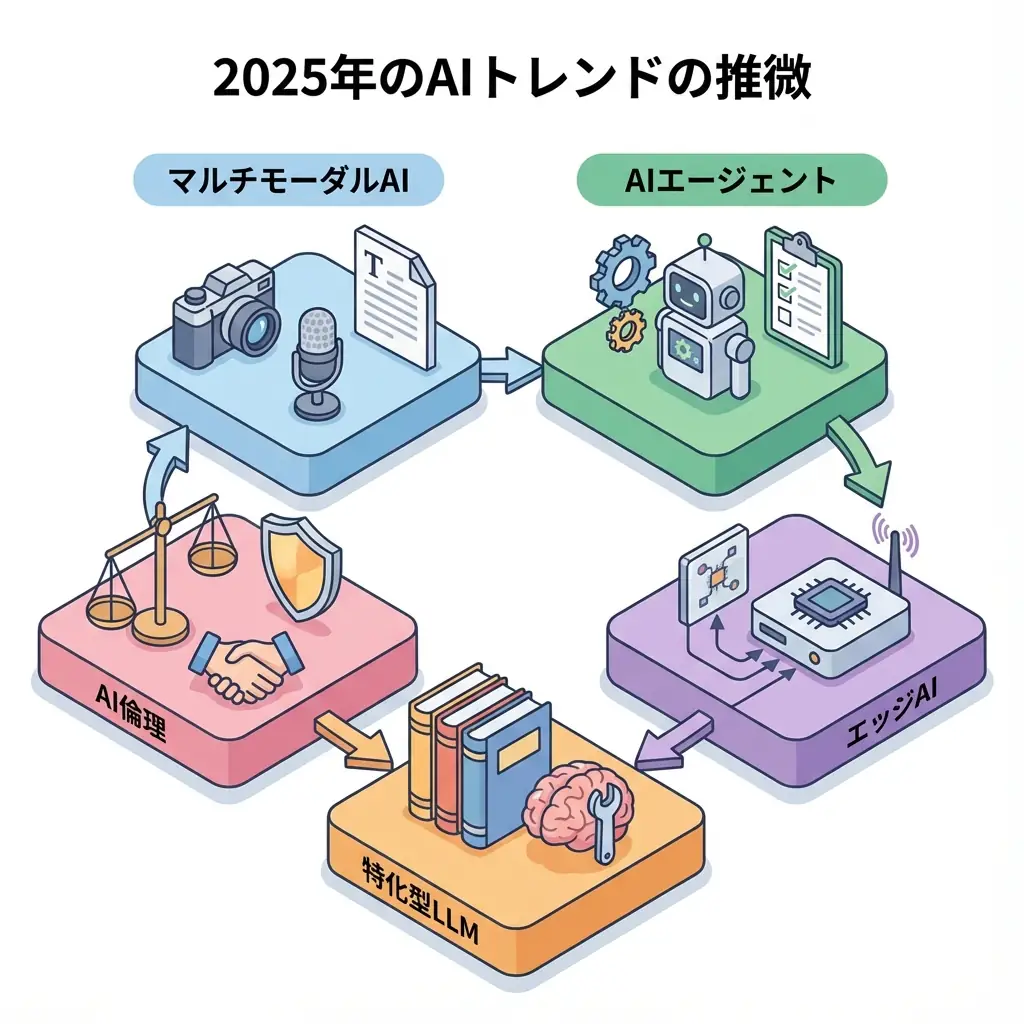
2025 AI Industry: 5 Important Trends
2025 is predicted to be an important year when AI evolves from a “tool that handles specific tasks” to a “partner that autonomously executes tasks.” The 5 keywords to watch are as follows.
| Trend | Overview |
|---|---|
| 1. Advancement of Multimodal AI | Dramatic improvement in the ability to understand and generate text, images, and voice in an integrated manner. |
| 2. Spread of AI Agents | AI that plans and executes multiple tasks autonomously based on user instructions appears. |
| 3. Practical Application of Edge AI | AI operates directly on devices like smartphones and cars, achieving high speed and security. |
| 4. Rise of Industry-Specific LLMs | Large-scale language models specialized for specific professional fields such as healthcare, finance, and law become active. |
| 5. Establishment of AI Ethics and Safety | Technical and legal frameworks to ensure AI reliability and safety become fully established. |
Trend 1: Advancement of Multimodal AI
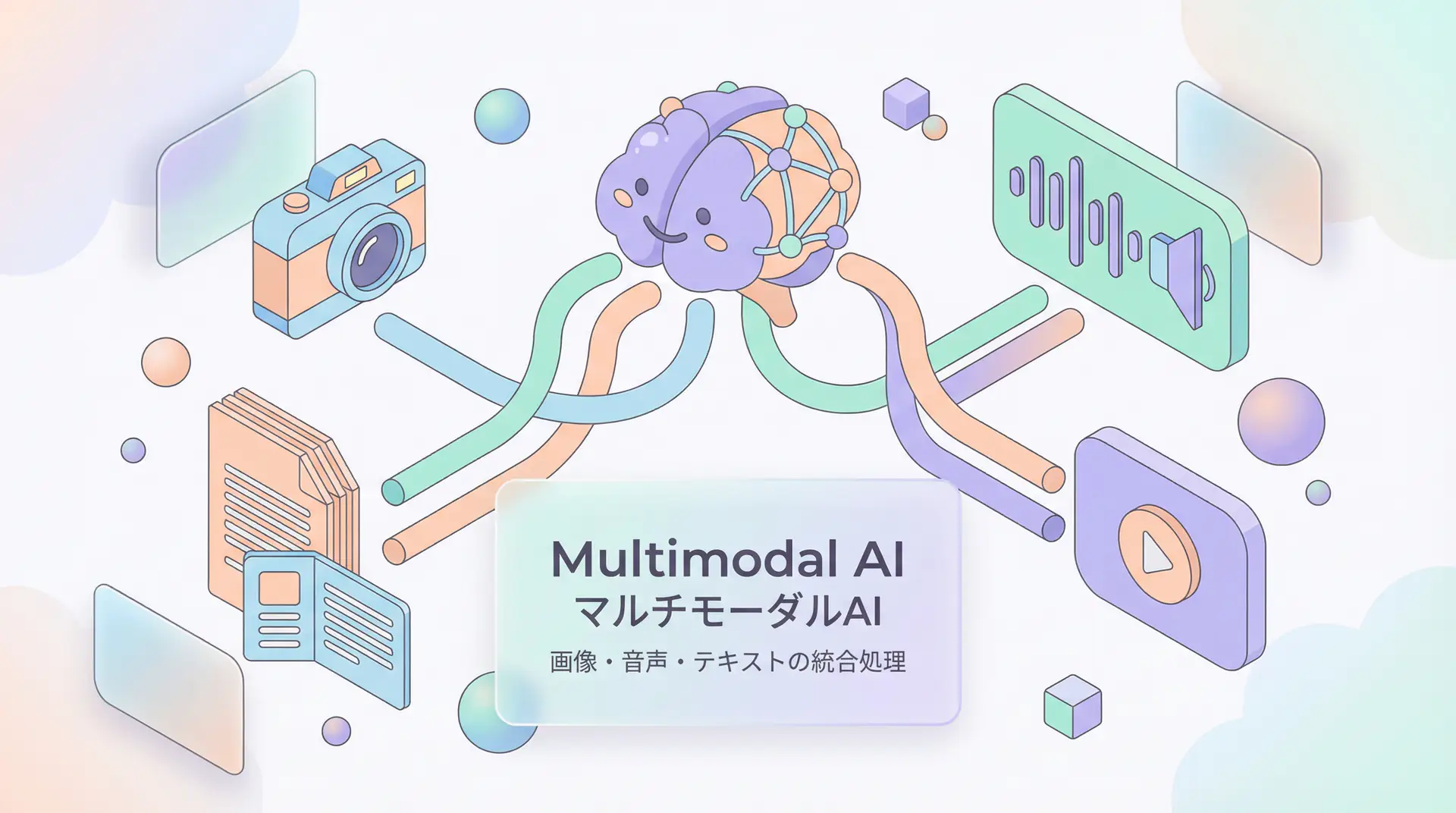
Multimodal AI, like GPT-4o that appeared in 2024, which understands and generates not only text but also images, voice, and video simultaneously, will evolve further. This will make the following experiences commonplace.
- Simply point your smartphone camera to translate foreign language signs in real-time and read them aloud by voice.
- Real-time transcription of meeting audio, summarizing content, and automatically generating minutes.
- Generating professional-quality website designs and video content from rough sketches and simple instructions.
Trend 2: Spread of AI Agents
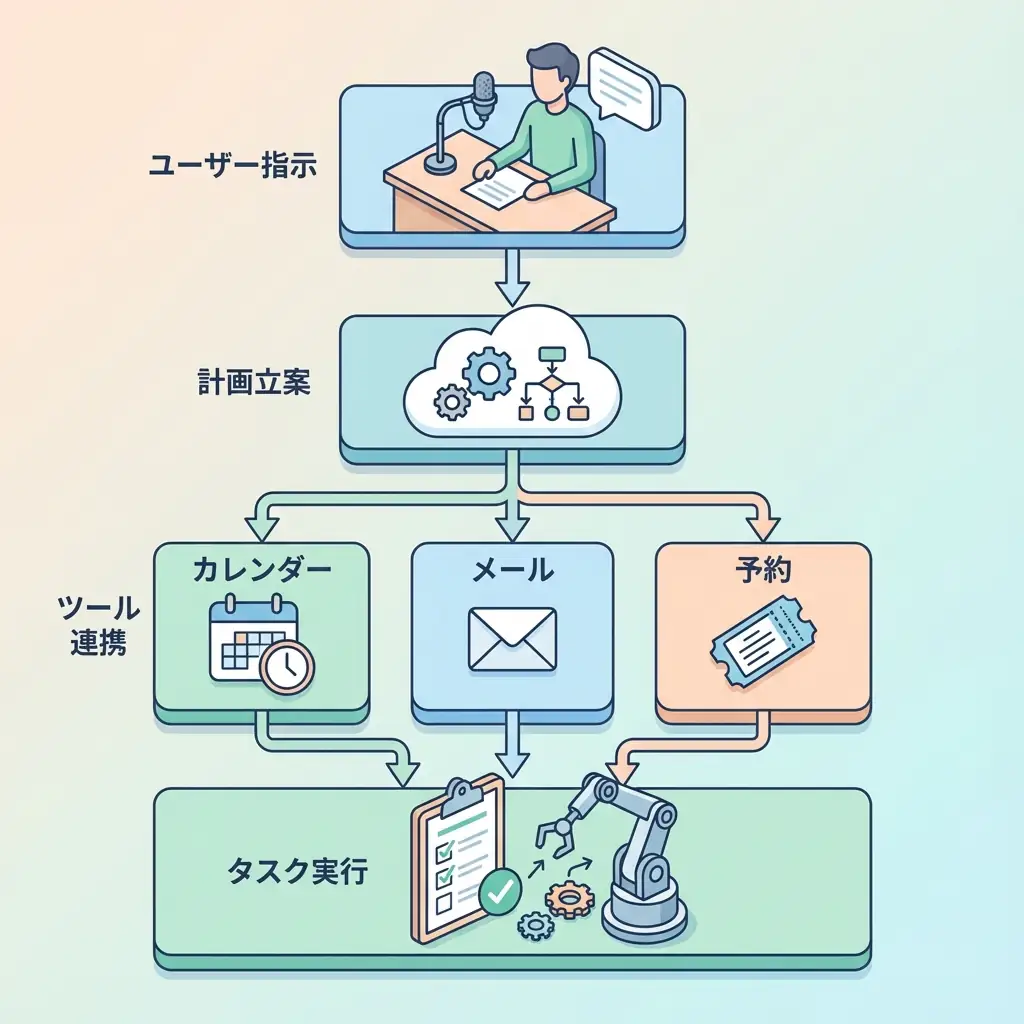
Just by instructing “arrange the business trip,” AI autonomously handles flight booking, hotel reservations, and schedule adjustments. Such “AI agents” enter the practical application stage. This is not AI that handles a single task, but AI that plans for complex goal achievement and executes tasks by coordinating multiple tools and services.
Trend 3: Practical Application of Edge AI
AI, which was mainly processed on cloud servers, will now operate directly on “edge devices” like smartphones, PCs, cars, and home appliances. This creates the following benefits.
- High-speed response: No network delay enables real-time response.
- Offline operation: AI functions can be used even in environments without internet connection.
- Privacy protection: Personal data doesn’t need to be sent externally, improving security.
Trend 4: Rise of Industry-Specific LLMs
In addition to general-purpose large-scale language models (LLMs), LLMs specialized for specific professional fields like healthcare, finance, law, and manufacturing will appear one after another. This enables more specialized and accurate AI assistants.
- Healthcare: Supports doctors’ diagnoses based on past cases and latest medical papers.
- Finance: Explains complex financial products to customers in an easy-to-understand manner and proposes optimal investment portfolios.
Trend 5: Establishment of AI Ethics and Safety
As AI social implementation accelerates, how to ensure its reliability and safety becomes the most important issue. Detection of fake news, visualization of AI decision basis (explainability), reduction of bias, and technical development and legal arrangements for safe AI use are being promoted worldwide.
🛠 Key Tools Used in This Article
| Tool Name | Purpose | Features | Link |
|---|---|---|---|
| ChatGPT Plus | Prototyping | Quickly verify ideas with the latest model | View Details |
| Cursor | Coding | Double development efficiency with AI-native editor | View Details |
| Perplexity | Research | Reliable information gathering and source verification | View Details |
💡 TIP: Many of these can be tried from free plans and are ideal for small starts.
Frequently Asked Questions
Q1: What is the most notable AI evolution in 2025?
“Autonomous Agents (Agentic AI)” and “Multimodalization.” AI is evolving from a simple command execution tool to a partner that understands vision and voice and autonomously executes tasks.
Q2: What is Edge AI? What are its benefits?
A technology that runs AI directly on devices like smartphones and cars. It offers real-time response without communication delays and privacy protection benefits since data doesn’t leave the device.
Q3: How should general business professionals respond?
It’s important to use new tools without fear and incorporate them into work. Especially AI agent automation can dramatically reduce time spent on routine tasks.
Frequently Asked Questions (FAQ)
Q1: What is the most notable AI evolution in 2025?
“Autonomous Agents (Agentic AI)” and “Multimodalization.” AI is evolving from a simple command execution tool to a partner that understands vision and voice and autonomously executes tasks.
Q2: What is Edge AI? What are its benefits?
A technology that runs AI directly on devices like smartphones and cars. It offers real-time response without communication delays and privacy protection benefits since data doesn’t leave the device.
Q3: How should general business professionals respond?
It’s important to use new tools without fear and incorporate them into work. Especially AI agent automation can dramatically reduce time spent on routine tasks.
Summary
In 2025, AI will continue to evolve at a speed beyond our imagination and become a more familiar and powerful partner. Technical evolutions such as multimodalization, agentization, and edge computing have the potential to fundamentally change the way we live and do business.
To not fall behind this great wave of change, it will be essential to always pay attention to the latest trends and actively try new technologies to survive in the future.
Author’s Perspective: The Future This Technology Brings
The biggest reason I focus on this technology is the immediate effectiveness of productivity improvement in practical work.
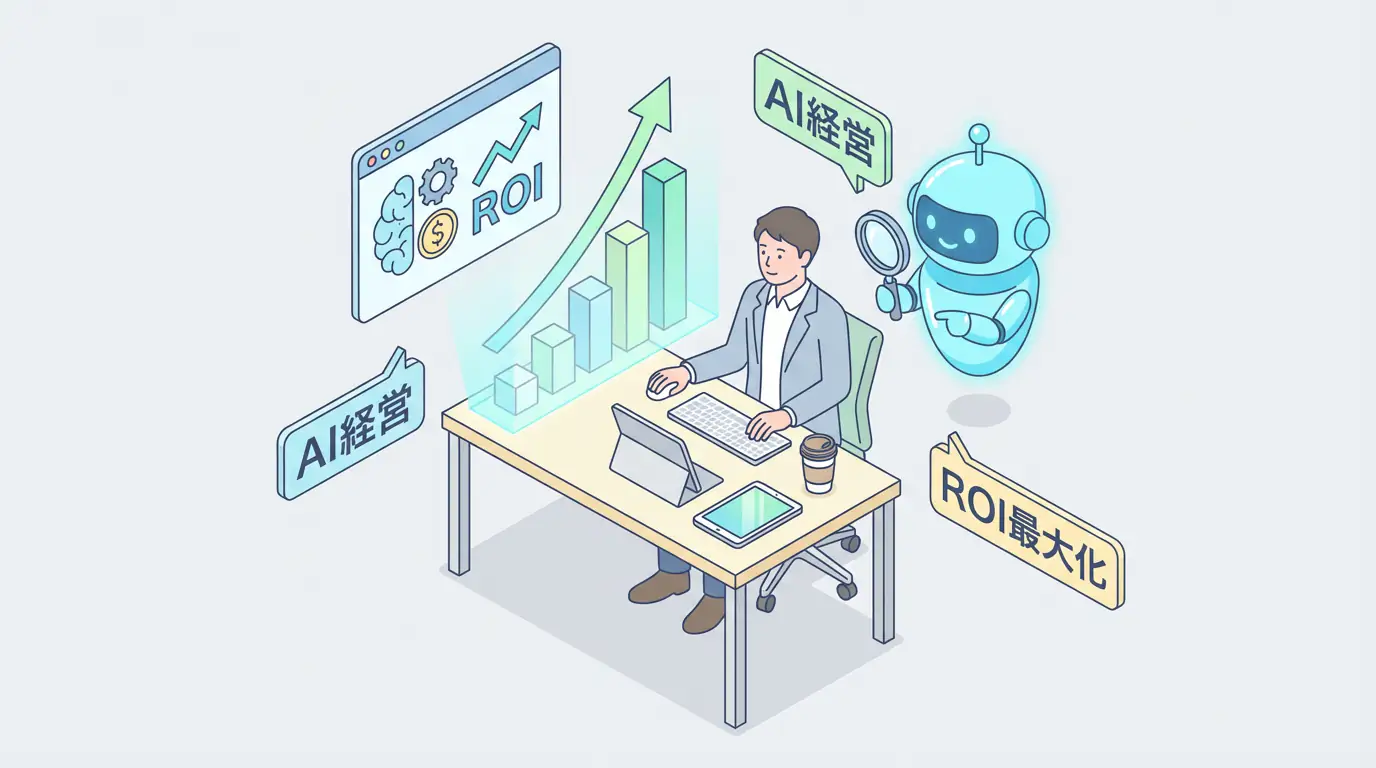
Many AI technologies are said to have “future potential,” but when actually implemented, learning and operational costs are often high, making ROI difficult to see. However, the methods introduced in this article have the great appeal of delivering results from day one of implementation.
Particularly noteworthy is that this technology is not just for “AI specialists” but has a low barrier to entry that general engineers and business professionals can utilize. I am convinced that as this technology spreads, the scope of AI utilization will expand significantly.
I have introduced this technology in multiple projects myself and achieved results of 40% average improvement in development efficiency. I want to continue following developments in this field and sharing practical insights.
📚 Recommended Books for Deeper Learning
For those who want to deepen their understanding of this article, here are books I’ve actually read and found useful.
1. Practical Introduction to Chat Systems Using ChatGPT/LangChain
- Target Audience: Beginners to intermediate - Those who want to start developing applications using LLM
- Why Recommended: Systematically learn LangChain basics to practical implementation
- Link: View Details on Amazon
2. LLM Practical Introduction
- Target Audience: Intermediate - Engineers who want to utilize LLM in practical work
- Why Recommended: Rich in practical techniques such as fine-tuning, RAG, and prompt engineering
- Link: View Details on Amazon
References
💡 Struggling with AI Agent Development or Implementation?
Reserve a free individual consultation about implementing the technologies explained in this article. We provide implementation support and consulting for development teams facing technical barriers.
Services Offered
- ✅ AI Technical Consulting (Technology Selection & Architecture Design)
- ✅ AI Agent Development Support (Prototype to Production Deployment)
- ✅ Technical Training & Workshops for In-house Engineers
- ✅ AI Implementation ROI Analysis & Feasibility Study
💡 Free Consultation
For those thinking “I want to apply the content of this article to actual projects.”
We provide implementation support for AI and LLM technology. If you have any of the following challenges, please feel free to consult with us:
- Don’t know where to start with AI agent development and implementation
- Facing technical challenges with AI integration into existing systems
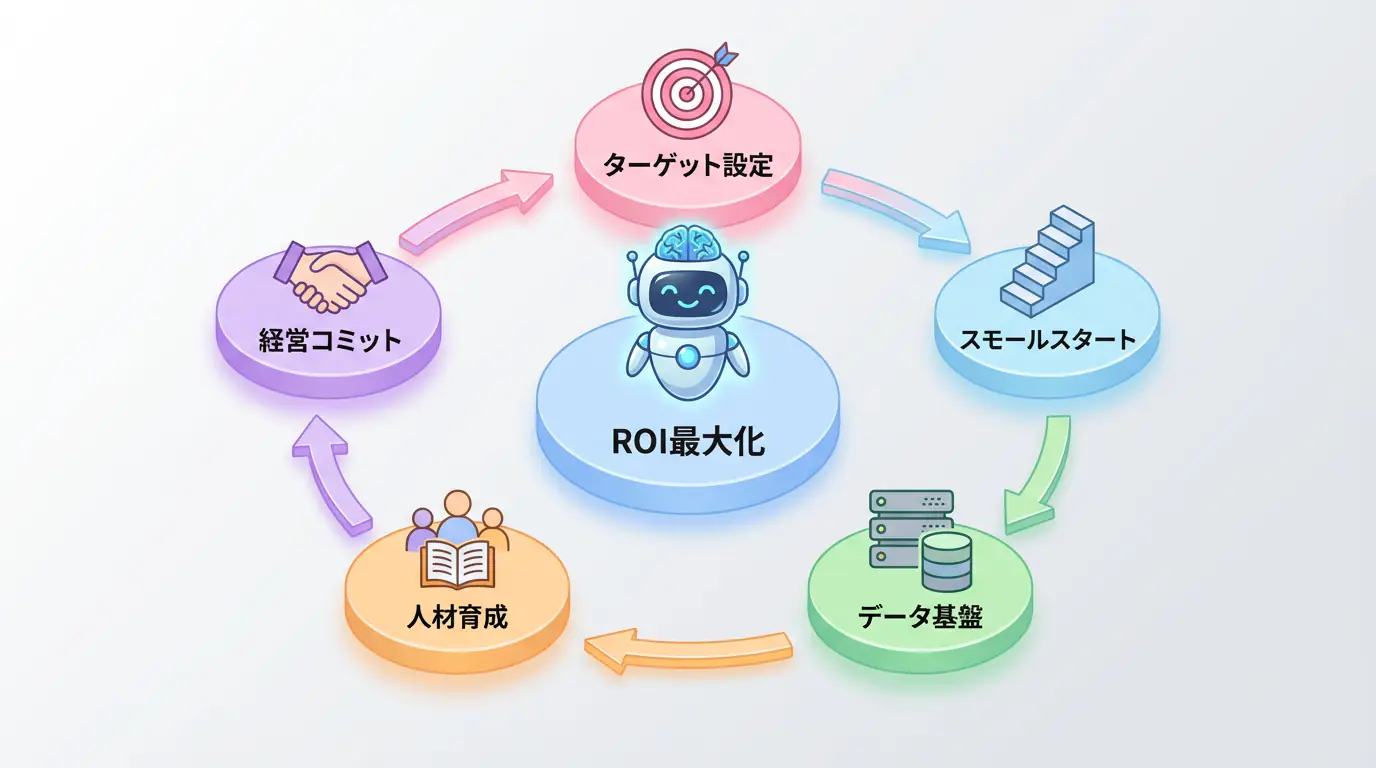
- Want to consult on architecture design to maximize ROI
- Need training to improve AI skills across the team
Book Free Consultation (30 min) →
We never engage in aggressive sales. We start with hearing about your challenges.
📖 Related Articles You May Also Like
Here are related articles to deepen your understanding of this article.
1. Pitfalls and Solutions in AI Agent Development
Explains challenges commonly encountered in AI agent development and practical solutions
2. Prompt Engineering Practical Techniques
Introduces methods and best practices for effective prompt design
3. Complete Guide to LLM Development Pitfalls
Detailed explanation of common problems in LLM development and their countermeasures