Introduction: From Giving Instructions to AI, to Working with AI
“Throwing prompts at ChatGPT”
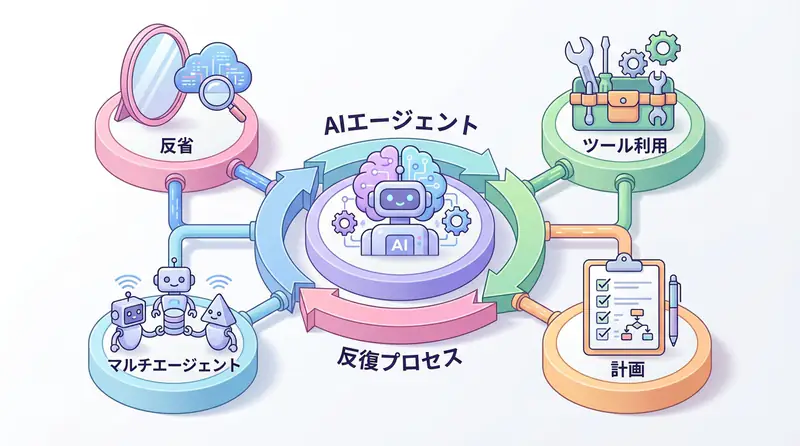
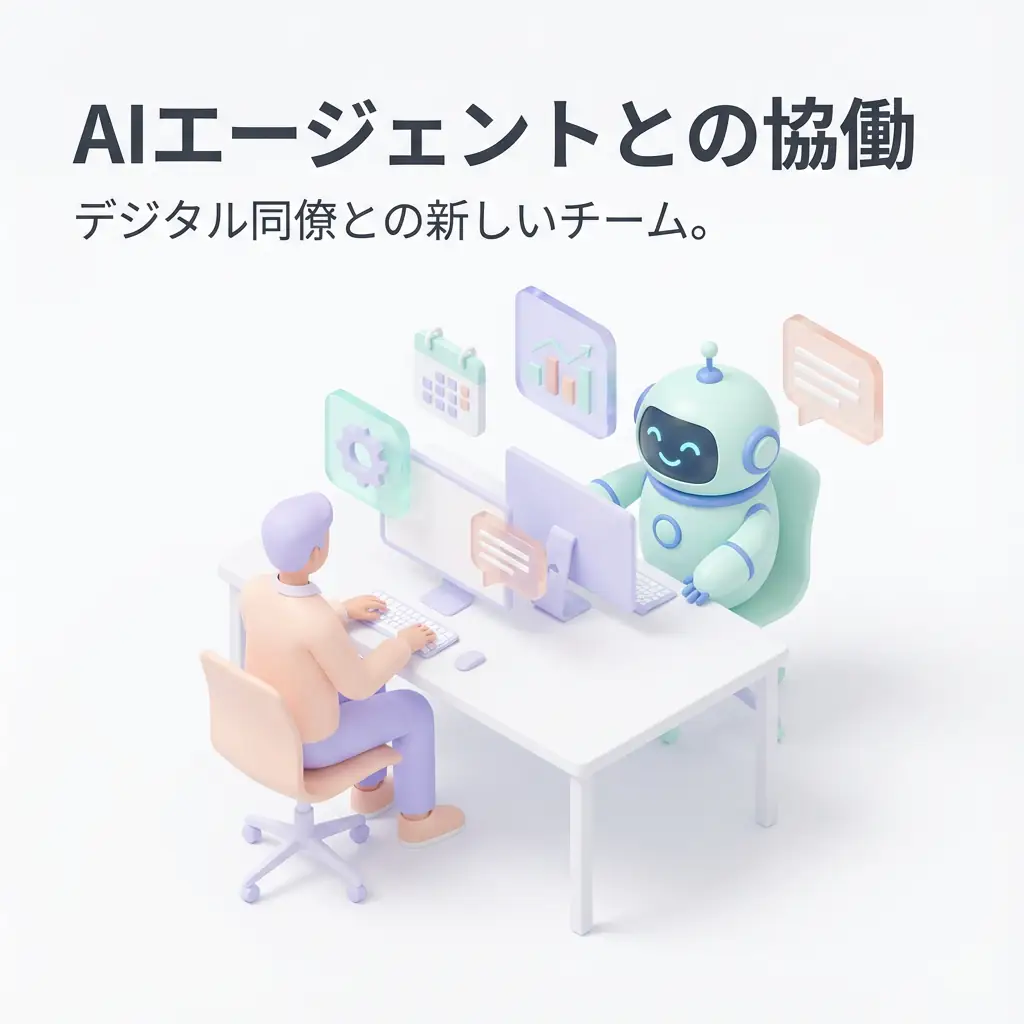
Until 2024, this was the common wisdom for AI utilization. But as of 2026, something more dynamic is happening in the field. AI is no longer a waiting tool, but a “digital colleague” that reads project management tools, assigns tasks, and reports progress on Slack.
However, we also hear laments from many workplaces:
- “AI made decisions on its own and proceeded in the wrong direction”
- “Revisions increased, and in the end, it was faster for humans to do it”
“AI agents are not magic. They’re like ‘heavy machinery’ with powerful engines that require a special license to operate.”
In this article, we share the messy failures and the keys to success we discovered when we fully integrated an AI agent as a “digital colleague” into a project for 30 days.
Reading time: Approximately 12 minutes
😱 Author’s Verification: 30-Day Operation of AI Agent as a “New Employee”
We had one AI agent (based on Antigravity) join our team as a “junior engineer” for a web service feature addition project.
The “Major Failure” We Actually Encountered
On the 3rd day of operation, an incident occurred. We had AI read the previous day’s meeting minutes (text transcribed from audio by AI) and instructed it to “ticket unresolved items.” AI completely fabricated (hallucinated) a “decision.”
Based on the false information that “API specifications were decided to go with Plan A,” AI rewrote three repositories overnight, causing all tests to fail the next morning. We experienced an “AI colleague’s midnight terror” that took 12 hours to fix.
Solution and Lessons Learned
What we learned from this failure is that we shouldn’t make AI too “autonomous.”
- Solution: Mandating step-by-step execution via
task.mdand introducing “human approval (Human-in-the-loop)” at the end of each step. - Conclusion: A process that makes AI colleagues “propose” rather than giving them “authority” is essential.
By Job Type: “How to Get Along with AI Colleagues” in 2026
We’ve organized on-the-ground changes, not ideal theories from external reports.
| Job Type | Tasks to Delegate to AI Colleagues (90% Automated) | Areas Humans Should Defend (100% Manual) |
|---|---|---|
| Engineer | Boilerplate creation, test code generation, documentation | Core architecture, “political” decisions in technology selection |
| Writer/Editor | Research, structure creation, multilingual translation, fact-checking | Unique perspectives (professional bias), “passion” that moves readers |
| PM/Director | Schedule coordination, task progress monitoring, early risk detection | Agreement formation with clients, team motivation management |
Essential Skill for the New Era: What True “AI Fluency” Really Is
“AI Fluency” as advocated by McKinsey is no longer just “being able to write prompts.” What’s needed in the field is “the skill to understand AI’s limitations and take responsibility.”
- Instruction Decomposition Ability: Can you break down vague requests into granularity that AI won’t get confused by?
- Debugging Ability: An aesthetic eye that can spot when AI’s output is “plausible lies.”
- Risk Management: The ability to always be vigilant about information leaks, copyright, and license violations from AI.
We call this “AI management ability.” AI is a colleague, but you are always the final responsible party for its quality.
🛠 Key Tools Related to This Article
These are the tools I’ve actually “hired” as AI colleagues.
1. Google Antigravity
- Purpose: Autonomous development support involving file operations and terminal execution.
- Price: Pay-as-you-go based on API usage.
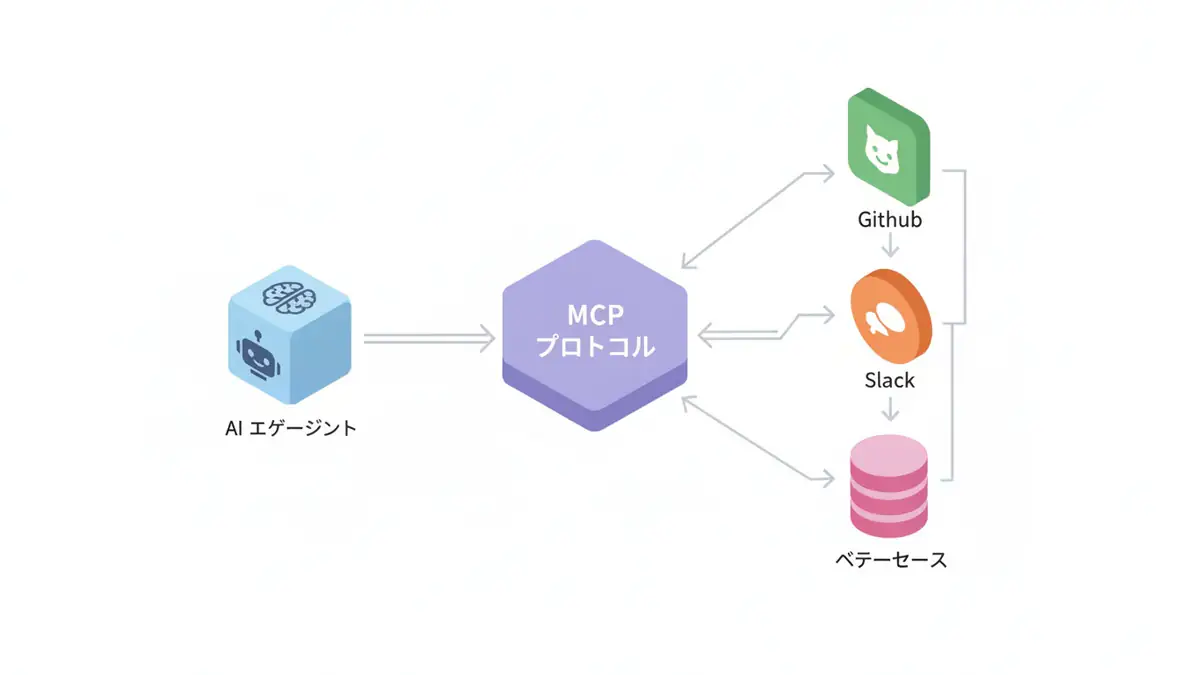
- Recommended Point: High extensibility using MCP (Model Context Protocol), making it very easy to integrate with your own in-house tools.
2. Cursor (Agent Mode)
- Purpose: Complete understanding of existing code and large-scale refactoring.
- Recommended Point: Its ability to understand the context of entire code is outstanding.
Author’s Perspective: “Redefining Organizations” Beyond AI Fluency
The debate about “AI taking jobs” is already outdated in 2026. What I’m currently focused on is the harsh reality that “one person who masters AI” can deliver value equivalent to a traditional “team of 10.”
At first glance, this seems like good news, but it also has a terrifying aspect: “skill hollowing out” where junior staff lose jobs to AI and lose opportunities to gain experience.
What we’re most careful about when introducing “AI colleagues” is “making AI explain why it reached its conclusions.” Teams that continue to adopt AI’s results without understanding will degenerate into “organizations that can’t decide anything without AI” within a year.
What future organizations will require of leaders is not introducing the latest AI, but designing “learning environments for humans to maintain perspectives equal to or better than AI.”
Frequently Asked Questions (FAQ)
Q1: When AI becomes a colleague, which tasks should I delegate first?
The golden rule is to start with “information aggregation and routine primary judgments.” For example, extracting next actions from accumulated meeting minutes or initial analysis of error logs. For details, see the Job Type Usage Table .
Q2: What’s the fastest way to improve “AI Fluency”?
Don’t think of AI as a “perfect tool.” In our experiment, treating AI as a “slightly talented but occasionally lying new employee” and repeatedly providing detailed feedback on its outputs was most effective.
Q3: Won’t team skills decline if we delegate too much work to AI agents?
That risk definitely exists. As a countermeasure, we strongly recommend setting aside time for the team to review the thought logs of “why AI reached that conclusion.”
🛠 Key Tools Used in This Article
Here are tools that will help you actually try the techniques explained in this article.
Python Environment
- Purpose: Environment for running code examples in this article
- Price: Free (open source)
- Recommended Point: Rich library ecosystem and community support
- Link: Python Official Website
Visual Studio Code
- Purpose: Coding, debugging, version control
- Price: Free
- Recommended Point: Rich extensions, ideal for AI development
- Link: VS Code Official Website
Summary: Towards a Future of Growing with AI Colleagues
In 2026, AI is not a threat that takes our jobs, but a cooperative “partner” that amplifies our capabilities. Whether you’re prepared to enjoy this change will determine your future career.
Start by “consulting” with your AI colleague about one familiar routine task.
References
- What’s next in AI: 7 trends to watch in 2026 - Microsoft News
- Agents, robots, and us: Skill partnerships in the age of AI - McKinsey & Company
- 2026 is AI’s “show me the money” year - Axios
📚 Recommended Books for Deeper Learning
For those who want to deepen their understanding of this article, here are books I’ve actually read and found useful.
1. Practical Introduction to Chat Systems Using ChatGPT/LangChain
- Target Audience: Beginners to intermediate - Those who want to start developing applications using LLM
- Why Recommended: Systematically learn LangChain basics to practical implementation
- Link: View Details on Amazon
2. LLM Practical Introduction
- Target Audience: Intermediate - Engineers who want to utilize LLM in practical work
- Why Recommended: Rich in practical techniques such as fine-tuning, RAG, and prompt engineering
- Link: View Details on Amazon
📖 Related Articles You May Also Like
🔹 Google Antigravity Debugging Practical Guide: Troubleshooting Essentials Learned with $10
Explains practical measures to avoid “infinite loops” that are likely to occur when operating AI agents autonomously, based on real experience.
🔹 AI Agent Practical Guide: Business Automation Flows with n8n and LangChain
Introduces steps to build your own “digital colleague” by combining specific tools.
💡 Free Consultation
We answer questions like “How to integrate AI agents into your company’s operations” and “How to improve employees’ AI Fluency.”
If you’re interested in our implementation support and consulting, please feel free to contact us. ※ We don’t engage in pushy sales. We prioritize solving on-site challenges.